

Posted by Editorial Team
on August 31, 2026

Table of Contents
- Gymboree vs. Boutique Family Loungewear: The Core Differences
- Fabric Composition and Material Quality
- Durability and Long-Term Wear
- Matching Family Sets and Design Variety
- Best Boutique Alternatives to Hannah Andersson
- Comfort, Safety Standards, and Skin Sensitivity
- How to Care for Boutique Children's Clothing
- Price-to-Value Ratio: What You're Actually Paying For
- Frequently Asked Questions
Last Updated: September 1, 2026
Gymboree vs. Boutique Family Loungewear: The Core Differences
The choice between mass-market retailers and boutique brands comes down to fabric composition, durability, and whether your investment survives a season or becomes a multi-year closet staple. Boutique family loungewear typically uses higher organic cotton percentages (95% cotton, 5% spandex blends), tighter rib-knit construction, and deliberate garment construction that resists pilling and shrinkage. Mass-market loungewear cuts corners on these details to hit lower price points. The real question isn't whether boutique is "better," but whether the quality difference justifies the cost for your family's needs.
Fabric Composition and Material Quality
The fabric you choose determines how your family loungewear feels, breathes, and holds up over time.
Organic Cotton and Spandex Blends
Boutique loungewear brands almost universally use 95% cotton, 5% spandex combinations. The spandex provides stretch and recovery, while the high cotton percentage maintains breathability and softness for sensitive skin. Organic cotton fibers are longer and stronger than conventional cotton, translating to less pilling and longer garment life.
Mass-market loungewear sometimes uses conventional cotton treated with synthetic pesticides and fertilizers, and may skimp on spandex content, resulting in less recovery and sagging after a few washes. Coordinates' pieces like the Christmas Legacy Plaid Set (Kids) use this exact 95% cotton, 5% spandex formula, the sweet spot between durability, stretch, and breathability.

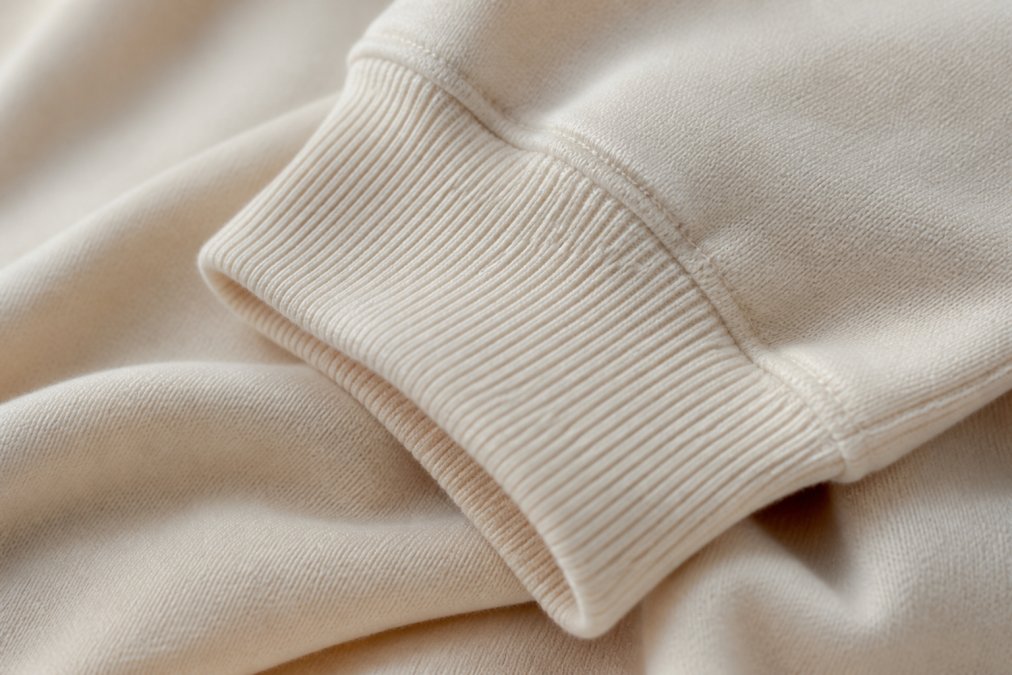
Jersey Knit vs. Twill Flannel Construction
Jersey knit is a smooth, stretchy knit fabric that feels soft and moves with the body. Twill flannel is a woven fabric with a diagonal pattern that's heavier and warmer but can feel scratchy if the weave is loose.
Boutique brands typically choose jersey knit for its softness and breathability, especially with higher-quality organic cotton. The knit construction resists pilling better because fibers are less likely to break and ball up on the surface. Mass-market retailers sometimes use thin jersey knit (causing transparency issues) or lower-quality twill flannel that feels stiff. The difference comes down to thread count and fiber quality: a dense, well-constructed jersey knit from a boutique brand outlasts a flimsy mass-market version by years.
| Fabric Type | Boutique Typical Construction | Mass-Market Typical Construction | Key Difference |
|---|---|---|---|
| Jersey Knit | Dense, soft, 95% organic cotton | Thin, sometimes synthetic blend | Boutique resists pilling; lasts longer |
| Twill Flannel | Tight weave, smooth finish | Loose weave, rough texture | Boutique feels softer; less irritation |
| Rib-Knit Cuffs | Reinforced, holds shape | Thin, stretches out | Boutique maintains fit through washes |
Durability and Long-Term Wear
Durability is where boutique loungewear proves its value. A piece lasting five years costs less per wear than a cheap set deteriorating after two seasons.
Pilling, Shrinkage, and Fabric Degradation
Pilling happens when short fibers break free and ball up on the surface. Boutique loungewear resists pilling because fiber quality is higher and construction is tighter. Mass-market loungewear sometimes shrinks 5-10% in the first wash because fabric wasn't pre-shrunk properly (the FTC). Boutique brands typically pre-shrink fabric before cutting, so what you buy is what you get, critical for matching family sets.
Fabric degradation over time is the hidden cost of cheap loungewear. Fibers weaken with each wash cycle, colors fade faster, and elasticity disappears. Boutique pieces made from high-quality organic cotton maintain integrity for 50+ washes; mass-market alternatives show significant degradation by wash 20-30 (peer-reviewed research).
Wash-Cycle Performance and Garment Construction
Boutique brands typically use flat-seam construction and reinforced stress points like armholes and crotch seams. Mass-market loungewear often uses simple overlocked seams that unravel after repeated washing. Reinforced rib-knit at cuffs and necklines holds shape through dozens of washes, while mass-market ribbing stretches out and looks floppy. Boutique brands often use higher-quality dyes that bond better to organic fibers; mass-market dyes sometimes wash out noticeably after a few cycles.
Matching Family Sets and Design Variety
Boutique loungewear excels at coordinated family aesthetics, dressing the whole family in complementary pieces for holidays, photos, or everyday wear.
Seasonal and Holiday Collections
Boutique brands release seasonal collections specifically designed around holidays and occasions. Think Legacy Plaid for Christmas, spring pastels for Easter, patriotic prints for summer. These collections are intentionally coordinated across sizes, from baby onesies through adult hoodies and matching pet outfits.

Mass-market retailers carry loungewear, but it's rarely designed as a coordinated family collection. Individual pieces might theoretically match, but they're not engineered to work together. Coordinates specifically designs collections like the Christmas Legacy Plaid Set (Kids) and Christmas Legacy Plaid Onesie (Kids) to coordinate across the entire family, from newborn through adult sizes.

Size Range and Fit Consistency
Boutique brands that focus on family loungewear typically offer wider size ranges and more consistent fit across sizes. A newborn onesie is actually sized for newborns, and adult XL is genuinely generous. This consistency means you can coordinate the whole family without compromises. Mass-market retailers often have sizing inconsistencies between children's and adult lines and sometimes skip extended sizes. Coordinates engineers sizing to work across the full spectrum, so you can dress a newborn and a 6'2" adult in matching pieces from the same collection.
Best Boutique Alternatives to Hannah Andersson
Hannah Andersson is the gold standard, expensive, high-quality, and widely available. But other boutique brands offer better value or specific design advantages.
Why Coordinates Stands Out
Coordinates offers intentional family coordination across multiple occasions and styles, specializing in holiday-themed collections and lifestyle pieces designed specifically for families who want to match. The brand uses 95% cotton, 5% spandex blends and offers breadth of sizes from newborn through adult. The Legacy Plaid Swaetshirt (Unisex) at $59 reflects quality construction and materials, higher than mass-market but more accessible than premium boutique brands.
Coordinates balances cozy comfort with polished aesthetics. You're paying for thoughtful fabric selection, proper fit, and designs that work for family photos and everyday wear, not a designer name.
Comparing Price-to-Value Across Boutique Brands
When evaluating boutique options, price alone tells you nothing. The value calculation should include fabric quality and fiber content, durability metrics, size range and fit consistency, design intentionality, and price per wear.
Coordinates positions itself in the mid-range of boutique pricing. Christmas sets at $39-$49 and the Legacy Plaid Swaetshirt at $59 are priced above mass-market but below ultra-premium brands. For the fabric quality and construction, the value is strong, especially if you plan to pass pieces down or use them for multiple holidays. The real question isn't whether boutique is more expensive, but whether durability justifies the cost. For families planning to use pieces for years, boutique offers better value per wear.
Comfort, Safety Standards, and Skin Sensitivity
Beyond aesthetics and durability, comfort and safety matter enormously for children's loungewear.
Snug-Fit vs. Loose-Fit and Flame-Resistant Considerations
Children's sleepwear in the United States is regulated by the Consumer Product Safety Commission (CPSC) under flammability standards (cpsc.gov). The regulation requires that children's sleepwear either fits snugly or meets specific flame-resistant requirements. Snug-fit sleepwear reduces fire risk by keeping loose fabric away from open flames.
Most boutique loungewear uses snug-fit construction (fitted at wrists, ankles, and waist) rather than flame-resistant treatments. This design aligns with CPSC standards while maintaining comfort. Mass-market loungewear sometimes uses loose-fit construction that requires chemical flame-resistant treatments. Coordinates pieces like the Christmas Legacy Plaid Set (Kids) use snug-fit construction with ribbed cuffs and fitted waistbands, prioritizing both safety and comfort without chemical flame retardants.
Hypoallergenic Fabrics and Breathability
Organic cotton is inherently more hypoallergenic than conventional cotton because it hasn't been treated with synthetic pesticides and fertilizers. For children with sensitive skin or eczema, this difference can be significant. High-quality organic cotton blends allow air circulation, preventing overheating and moisture buildup, especially important for sleep loungewear.
Boutique brands almost universally use organic cotton, while mass-market retailers mix conventional and organic cotton. Parents of children with sensitive skin often report fewer irritation issues with boutique pieces.
How to Care for Boutique Children's Clothing
Proper care extends the life of quality boutique loungewear significantly.
Washing, Drying, and Storage Best Practices
Wash in cold water with gentle detergent. Hot water weakens fibers and causes shrinkage; cold water preserves fabric integrity and color. Use the gentle or delicate cycle to reduce mechanical stress on fibers. Avoid fabric softeners and bleach. Fabric softeners coat fibers and reduce breathability; bleach breaks down organic cotton fibers. Use oxygen-based cleaners to brighten whites instead.
Dry on low heat or air dry whenever possible. High heat damages spandex and causes shrinkage. Air drying extends garment life dramatically. If you use a dryer, remove pieces while still slightly damp to prevent over-drying.
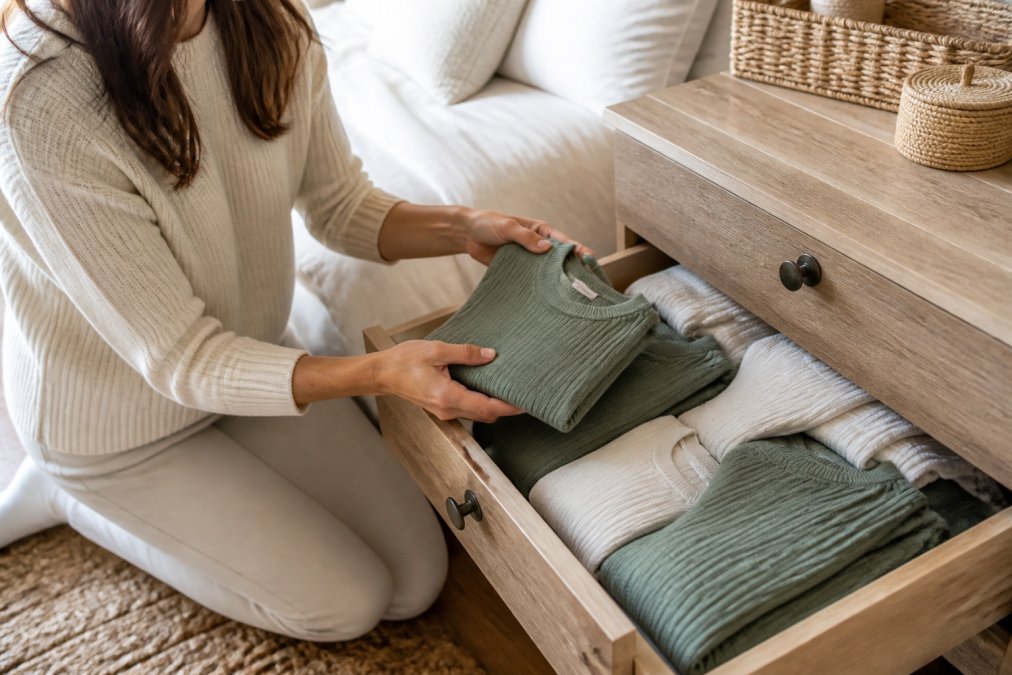
Store in a cool, dry place away from direct sunlight. Sunlight fades colors over time. Use cedar blocks or lavender sachets instead of mothballs to protect from insects.
Extending the Life of Premium Loungewear
Rotate pieces so you're not wearing the same set repeatedly. This reduces wear on fibers and allows fabric to recover between wears. Repair small issues immediately, loose seams or small holes should be sewn closed before washing to prevent damage from spreading.
If pilling occurs (rare with quality boutique pieces), use a fabric shaver or lint roller to gently remove pills. For pieces you plan to pass down, store in breathable cotton bags rather than plastic, which traps moisture and can cause mildew.
Price-to-Value Ratio: What You're Actually Paying For
A mass-market loungewear set might cost $20-30; a boutique set costs $39-59. The difference looks significant until you calculate cost per wear. If the mass-market set lasts 30 wears before degrading, that's roughly $0.70-1.00 per wear. If the boutique set lasts 150 wears, that's roughly $0.25-0.40 per wear. Over multiple children or years, boutique becomes economical.
You're also paying for intentional design coordination, organic cotton without synthetic pesticide residue, proper garment construction that survives repeated washing, thoughtful fit across extended size ranges, and designs created for specific occasions.
Coordinates offers this value at a mid-range price point. The Christmas Legacy Plaid Set (Kids) at $39 or the Legacy Plaid Swaetshirt (Unisex) at $59 represent quality construction and fabric at an accessible price. The real value isn't in one purchase, but in building a collection of pieces you return to year after year.
When choosing between mass-market convenience and boutique quality, you're choosing between short-term savings and long-term value. Coordinates specializes in family loungewear designed to last through multiple holidays and multiple children. The 95% cotton, 5% spandex blends, snug-fit construction, and intentional family coordination create pieces that justify their price through durability and design. Whether you're looking for holiday matching sets, cozy everyday loungewear, or pieces to pass down, Coordinates offers the quality and thoughtfulness that make boutique worth the investment. SHOP COLLECTION
Frequently Asked Questions
What's the real difference between Gymboree and boutique family loungewear quality?
Boutique brands typically use higher-grade organic cotton blends and invest in superior garment construction, resulting in better durability and softness. Gymboree prioritizes affordability and trend-driven designs, which often means lower-cost fabrics that pill or shrink more easily. Boutique family loungewear maintains its shape and comfort through multiple wash cycles, while mass-market options may show signs of fabric degradation within a season or two.
Are boutique family loungewear sets worth the higher price point?
Yes, if longevity and comfort matter to your family. Boutique pieces like those from Coordinates use 95% cotton, 5% spandex blends designed to resist pilling and shrinkage. Over time, buying one quality set that lasts multiple children or years often costs less than replacing cheaper alternatives annually. The investment pays off when you factor in reduced fabric degradation, consistent sizing across family members, and the ability to pass pieces down.
How do I know if boutique children's clothing will actually fit my whole family consistently?
Boutique brands maintain tighter quality control over sizing than mass-market retailers. Look for brands offering extended size ranges from newborn through adult, with consistent rib-knit cuffs and construction details that scale proportionally. Coordinates offers sizing from infant through men's and women's, with detailed size charts. Always check return policies before ordering, and read reviews mentioning whether sizes ran true or needed adjustment across family members.
What should I look for when evaluating the quality of matching family pajamas?
Check the fiber content (aim for at least 95% organic cotton), examine the rib-knit trim at cuffs and necklines, and verify that seams are reinforced. Look at construction details like adjustable drawstrings and functional pockets. Read customer reviews specifically mentioning wash-cycle performance and whether the fabric maintained softness and shape after multiple washes. Boutique brands should provide transparent information about garment construction and care instructions designed to preserve quality.
This article was written using GrandRanker



