

Table of Contents
- Why Fabric Choice Matters for Newborns
- Top Soft Fabrics for Baby Skin
- Hypoallergenic Baby Clothing Materials
- How to Wash Baby Clothes for Sensitive Skin
- Fabrics to Avoid for Delicate Skin
- Understanding Fabric Certifications and Safety Labels
- Conclusion
Last Updated: August 22, 2026
Why Fabric Choice Matters for Newborns
Choosing the right fabric for your baby isn't just about comfort, it's a health decision. A newborn's skin is dramatically different from yours. It's thinner, more permeable, and still developing its natural protective barrier. This means irritants penetrate more easily, and temperature regulation is harder to maintain. At Coordinates, we understand that the best soft fabrics for baby skin go beyond just feeling nice. They protect delicate skin, support healthy development, and give parents peace of mind during those early months.
The wrong fabric choice can trigger dermatitis, heat rash, or persistent irritation that keeps both baby and parents up at night. The right choice, breathable, hypoallergenic materials free of harsh chemicals, supports your baby's natural skin barrier while providing the comfort and durability families need.
Below, we'll walk you through the fabrics that actually work for sensitive skin, how to identify quality materials, and the certifications that matter when you're shopping for your newborn.
Top Soft Fabrics for Baby Skin
Finding the right material is the foundation of comfortable baby clothing. The best soft fabrics for baby skin share three qualities: they're breathable, they're gentle against delicate skin, and they hold up through repeated washing without losing softness or integrity.
Organic Cotton vs Bamboo for Babies
Organic cotton and bamboo viscose are the two dominant choices for parents prioritizing sensitive skin. Both offer genuine benefits, but they work differently.
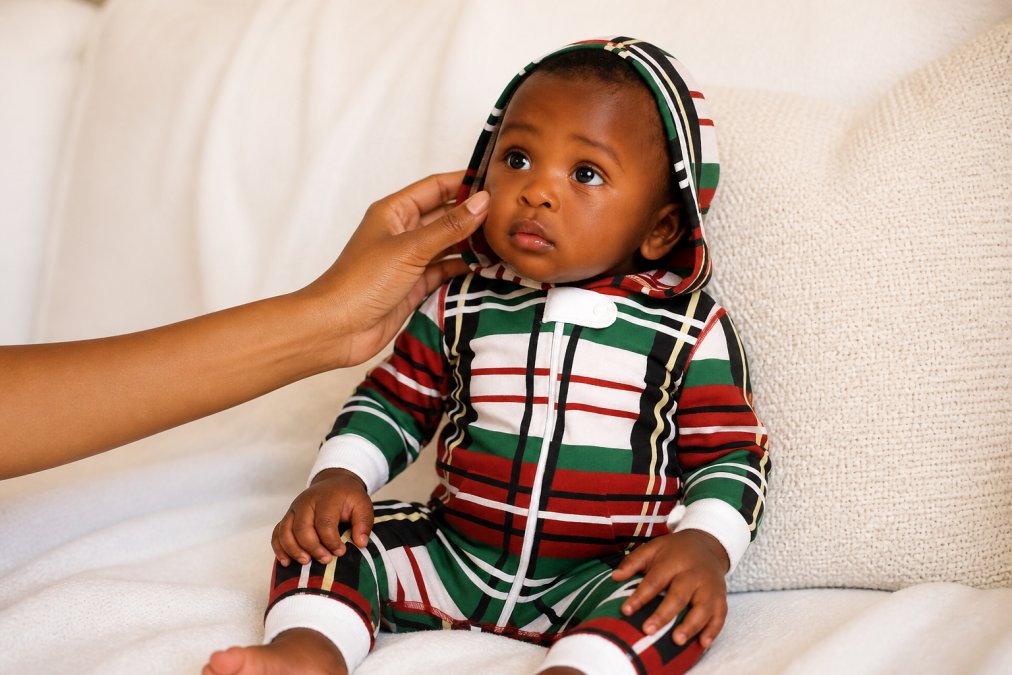
Organic cotton is grown without synthetic pesticides or fertilizers, which means fewer chemical residues touching your baby's skin from day one. Cotton's fiber structure is naturally breathable, it wicks moisture away from skin and allows air circulation, which prevents heat buildup and reduces the risk of heat rash. The fabric is durable, becoming softer with each wash rather than breaking down. A quality organic cotton onesie will last through multiple children. Coordinates offers several organic cotton options, including the Christmas Soft Plaid Onesie and Christmas Snowflake Onesie, both made from 95% cotton and 5% spandex for stretch and durability.


Bamboo viscose (also called bamboo rayon) is made from bamboo pulp processed into fiber. It's exceptionally soft, softer than most cotton, and naturally hypoallergenic. Bamboo requires less water and pesticides to grow than cotton, making it more sustainable. However, the viscose production process uses chemicals, and not all bamboo is created equal. Look for bamboo labeled as "viscose" made through a closed-loop process, which recycles solvents and reduces environmental impact.
The practical difference: cotton is more durable and breathable; bamboo is softer and slightly more hypoallergenic. For a newborn with very sensitive skin, bamboo might feel gentler. For durability and long-term wear, organic cotton edges ahead. Many families use both, bamboo for sleepwear, cotton for daytime wear.
Merino Wool and Natural Fibers
Merino wool deserves attention, even though many parents assume wool is scratchy or too warm for babies.
Quality merino wool, specifically fine merino from New Zealand or Australia, has a fiber diameter of 17-24 microns. At that fineness, it doesn't trigger the itch response that coarser wool does. Merino is naturally temperature-regulating, meaning it keeps babies warm when it's cold and cool when it's warm. It's also naturally moisture-wicking and hypoallergenic. Many families find merino works beautifully for layering in cooler months.
The catch: merino requires careful washing (cold water, gentle detergent, lay flat to dry) and costs more upfront. It's also not ideal for babies prone to overheating or those living in warm climates.
Other natural fibers worth knowing about include muslin (a loosely woven cotton blend that's breathable and lightweight) and jersey knit (a stretchy cotton fabric commonly used in t-shirts and casual wear). Both are softer than standard cotton but less durable over many wash cycles.
Jersey Knit and Muslin
Jersey knit is a stretchy, soft cotton fabric made from a single yarn looped into interlocking rows. It's what most baby t-shirts and casual clothing are made from. Jersey feels soft against skin and moves with your baby, but it's lighter on durability than woven cotton. After 50-75 washes, jersey can pill or lose its shape (peer-reviewed research).
Muslin is a loose, breathable weave made from cotton or cotton blends. It's lightweight and perfect for warmer weather or as a layering piece. Muslin breathes exceptionally well, making it ideal for swaddling or as a blanket layer. However, muslin is more delicate than tightly woven cotton and can tear if caught.
For everyday wear and durability, woven cotton beats jersey and muslin. For specific uses, layering, swaddling, warm-weather wear, jersey and muslin excel.
Hypoallergenic Baby Clothing Materials
Hypoallergenic means the material is less likely to trigger an allergic reaction or irritation. For babies, this typically means natural fibers processed without harsh chemicals, free of dyes that bleed, and manufactured without flame retardants or other chemical treatments.
True hypoallergenic fabrics share these characteristics:
- Minimal chemical processing: The fiber is grown or produced without heavy pesticide use, and the fabric is dyed (if at all) with low-impact dyes
- Breathability: The weave allows air to circulate, preventing moisture buildup and heat rash
- Fiber fineness: Finer fibers (like merino or fine cotton) don't irritate skin the way coarser fibers do
- No flame retardant coatings: Many conventional baby clothes are treated with flame retardants for safety regulations. These chemicals can irritate sensitive skin. Look for untreated fabrics or those treated with safer alternatives
Organic cotton, bamboo viscose, and fine merino wool all meet these criteria. Synthetic fabrics, polyester, acrylic, nylon, don't breathe as well and can trap heat and moisture, making them poor choices for sensitive skin.

Many families find that switching to genuinely hypoallergenic materials resolves persistent rashes or irritation that seemed mysterious before. It's not always an allergy in the clinical sense; it's often irritation from heat, moisture, or chemical residues that disappears once the fabric changes.
How to Wash Baby Clothes for Sensitive Skin
The right fabric only works if you wash it correctly. Improper laundering damages fibers, traps detergent residue, and can trigger irritation.
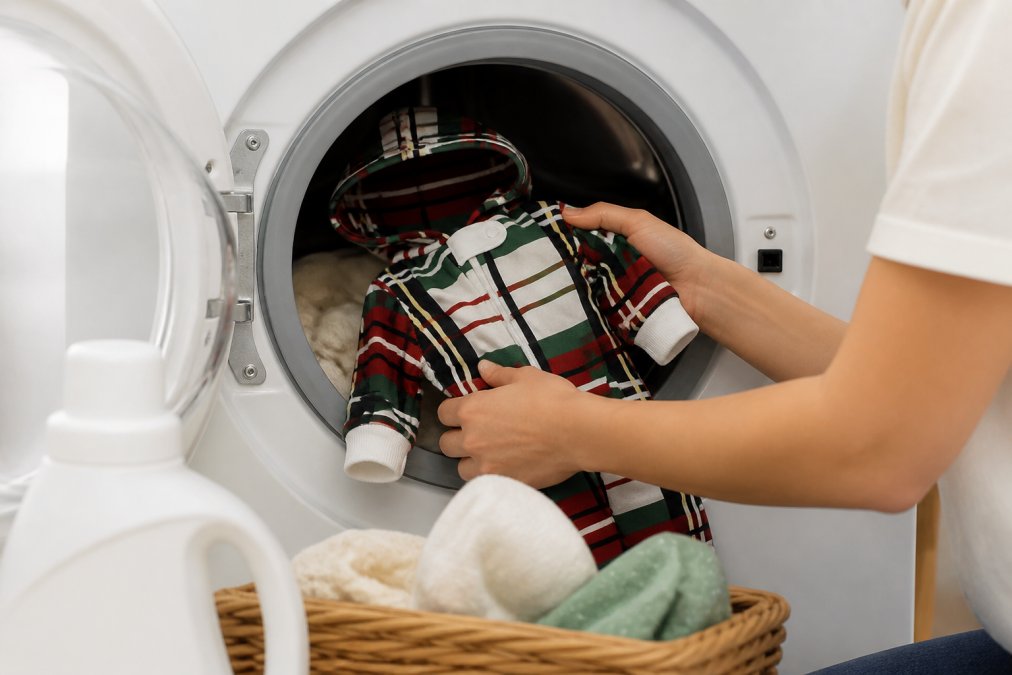
Temperature matters. Hot water breaks down fibers faster and can set stains permanently. Warm or cold water preserves fabric integrity. For most baby clothes, cold water is ideal. Warm water works for heavier items like onesies with zippers. skincare for sensitive skin.
Detergent choice is critical. Standard laundry detergent contains surfactants, perfumes, and optical brighteners designed for adult clothes. These leave residue on baby fabrics and can irritate skin. Use a detergent specifically formulated for babies or sensitive skin, these typically have fewer additives and rinse more completely. Many families find that free-and-clear formulas (without dyes or perfumes) work best.
Wash separately for the first few washes. This removes excess dyes and finishes applied during manufacturing. After that, baby clothes can mix with other family laundry if you're using a gentle detergent.
Use less detergent than you think. Babies' clothes are small and lightly soiled. A quarter of the recommended amount typically cleans them thoroughly while reducing residue.
Avoid fabric softener and dryer sheets. These coat fabric with waxy residues that reduce breathability and can irritate skin. Skip them entirely.
Dry carefully. Machine drying on high heat damages fibers and reduces softness. Air drying preserves fabric quality longest. If you use a dryer, use low heat and remove clothes while slightly damp.
| Care Step | Best Practice | Why It Matters |
|---|---|---|
| Water temperature | Cold or warm | Preserves fiber integrity and prevents dye bleeding |
| Detergent type | Sensitive skin or baby-specific formula | Reduces chemical residue on fabric |
| Detergent amount | 25% of recommended dose | Ensures complete rinsing and prevents buildup |
| Washing timing | Separate for first 2-3 washes | Removes manufacturing finishes and excess dyes |
| Fabric softener | Avoid entirely | Reduces breathability and traps irritants |
| Drying method | Air dry when possible | Preserves softness and extends fabric life |
Fabrics to Avoid for Delicate Skin
Some materials are simply poor choices for sensitive baby skin, regardless of brand or price.
Polyester and acrylic are synthetic fibers that don't breathe well. They trap heat and moisture against skin, creating an environment where heat rash and irritation thrive. These fabrics are cheaper to produce, which is why they appear in budget baby clothing lines. If you see polyester or acrylic listed as the primary fiber, pass.
Heavily treated cotton includes conventional cotton grown with pesticides and then bleached, dyed, and treated with flame retardants or wrinkle-resistant finishes. Each treatment adds chemicals that can irritate sensitive skin. The fabric may feel soft initially, but those chemical residues persist even after washing.
Low-quality bamboo viscose made through solvent processes that don't recycle chemicals can leave trace solvents in the fabric. This is rare with reputable brands, but it's a reason to buy from companies transparent about their manufacturing.
Blended fabrics with high synthetic content (like 60% cotton, 40% polyester) combine the worst of both worlds, they don't breathe like pure cotton and don't feel as soft as pure bamboo. A blend works fine for older children, but for newborns, aim for 95% or higher natural fiber content.
Rough weaves or loosely constructed fabrics like low-quality muslin or thin jersey can feel scratchy or pill quickly. Quality matters. A well-made muslin feels smooth; a cheap muslin feels rough.
The safest approach: stick to organic cotton, bamboo viscose, or fine merino wool. These three materials cover nearly every need for sensitive baby skin.
Understanding Fabric Certifications and Safety Labels
Certifications exist to verify what brands claim. When you see a label, it means an independent third party tested and approved the product.
GOTS (Global Organic Textile Standard) certifies that cotton is grown organically and processed without harmful chemicals. GOTS-certified clothing has been tested for residual pesticides and chemical treatments. If you see GOTS on a label, the cotton is genuinely organic from farm to finished product. This is the gold standard for organic cotton baby clothes.
OEKO-TEX Standard 100 tests finished fabrics for harmful substances, heavy metals, pesticides, formaldehyde, and other chemicals. A garment with OEKO-TEX certification has been independently tested and proven safe for baby skin. This applies to any fiber type, so you'll see it on organic cotton, bamboo, and blends.
STANDARD 100 by OEKO-TEX (the full name) is more stringent than basic certifications. It includes testing for banned dyes, restricted heavy metals, and allergens. If a brand uses this certification, they're serious about safety.
Bluesign certification applies to textile manufacturing processes. It ensures the factory uses safer chemicals and reduces environmental impact. Bluesign-certified fabrics are safer for skin and better for the planet.
Fair Trade certifications (Fair Trade USA, Fair Trade International) verify that workers were paid fairly and worked in safe conditions. This doesn't directly affect fabric quality for your baby, but it reflects the brand's values.
When shopping, look for GOTS on organic cotton and OEKO-TEX on any fabric claiming to be hypoallergenic. These two certifications give you real assurance that what you're buying is what the brand claims.
Conclusion
The best soft fabrics for baby skin are organic cotton, bamboo viscose, and fine merino wool, each with specific strengths. Organic cotton offers durability and breathability; bamboo provides unmatched softness and hypoallergenic properties; merino regulates temperature and wicks moisture. The fabric you choose should be certified (GOTS or OEKO-TEX), washed carefully with gentle detergent, and free from synthetic blends or chemical treatments.
At Coordinates, our baby onesies are crafted from premium materials designed specifically for sensitive skin. The Christmas Soft Plaid Onesie and University of Texas Onesies feature 95% cotton and 5% spandex construction with full zippers for easy diaper changes and breathable fabric that keeps your little one comfortable all day and night. When you invest in quality fabrics from the start, you're not just buying clothing, you're protecting your baby's developing skin and creating comfort that lasts. Shop our collection and experience the difference that thoughtful fabric selection makes.
Frequently Asked Questions
Q: What is the softest fabric for newborn skin?
A: Organic cotton and bamboo viscose rank among the softest fabrics for newborns. Organic cotton is breathable and hypoallergenic, while bamboo viscose offers exceptional softness due to its fine fiber fineness. Both are naturally gentle on delicate skin and reduce the risk of irritation. Many parents also appreciate merino wool for its temperature-regulating properties and natural softness.
Q: Is organic cotton better for baby skin than synthetic fibers?
A: Yes, organic cotton is generally superior to synthetic fibers for baby skin. Organic cotton is grown without chemical pesticides or residues, making it safer for sensitive skin and less likely to cause dermatitis or irritation. It's also breathable and absorbent, helping with moisture-wicking and temperature control. Synthetic fibers can trap heat and moisture, increasing the risk of discomfort and skin irritation in infants.
Q: How do I know if baby clothes are truly hypoallergenic?
A: Look for certifications like OEKO-TEX Standard 100, which guarantees the fabric has been tested for harmful substances and chemical residues. Check product labels for 'hypoallergenic' claims backed by these certifications. High-quality brands like Coordinates clearly state their fabric composition (such as 95% cotton, 5% spandex) and manufacturing standards. Avoid vague marketing language and choose brands transparent about their sourcing and testing processes.
Q: Can bamboo fabric cause eczema or skin sensitivity in babies?
A: Bamboo viscose itself is generally safe for babies with eczema or sensitive skin when it's made from sustainably sourced fibers without harsh chemical processing. However, the manufacturing process matters, bamboo processed with closed-loop systems is safer than conventional viscose production. If your baby has eczema, test new fabrics on a small area first. Organic cotton may be a safer starting point if your baby has severe sensitivity, as it has fewer processing variables.
This article was written using GrandRanker


0 comments