

Posted by Editorial Team
on October 17, 2026

Table of Contents
- Why Premium Baby Clothing Matters for Your Family
- High-Quality Baby Clothing Materials: What Sets Premium Apart
- Organic Baby Clothes Benefits: Why Natural Fibers Matter
- Premium vs. Budget Baby Clothes: Real Differences in Durability
- How to Choose Baby Clothes: Evaluating Quality and Safety
- Health Benefits: Skin Irritation Prevention and Temperature Regulation
- Making the Investment Work: Sizing, Quantity, and Long-Term Value
- Frequently Asked Questions
Last Updated: October 17, 2026
Why Premium Baby Clothing Matters for Your Family
When you're shopping for your newborn, the difference between budget and premium baby clothing often comes down to one simple fact: your baby's skin is fundamentally different from yours. A newborn's skin barrier is still developing, making it more vulnerable to irritation, moisture loss, and temperature fluctuations.
At Coordinates, we understand that parents want more than cute outfits. You want pieces that work as hard as you do, that feel soft against delicate skin, and that hold up through countless washes. Premium baby clothing delivers on all three fronts. The difference isn't always obvious at first glance, but it becomes clear within the first few weeks of use.
The reality is that cheap fabrics often contain residual chemicals from manufacturing, loose fibers that shed into your baby's skin, and construction shortcuts that create uncomfortable seams and rough edges. Premium options eliminate these problems through careful material selection, rigorous testing, and construction methods designed specifically for infant comfort.
High-Quality Baby Clothing Materials: What Sets Premium Apart
Fabric Composition and Breathability
The fabric you choose for your baby determines how well their body can regulate temperature and how much moisture stays trapped against their skin. Premium baby clothing typically uses high-quality cotton blends, often 95% cotton with 5% spandex, that provide both softness and durability without sacrificing breathability.
Breathable fabric is critical because babies can't regulate their body temperature as effectively as adults. Overheating is a genuine health concern, and the wrong fabric choice can contribute to heat buildup. Premium materials allow air to circulate, preventing the moisture and warmth that create discomfort and irritation.
The weave matters too. Tightly woven, high-quality fabrics resist pilling and maintain their softness through repeated washing. Loose weaves shed fibers that can irritate sensitive skin or get inhaled during sleep.
Softness and Comfort for Delicate Skin
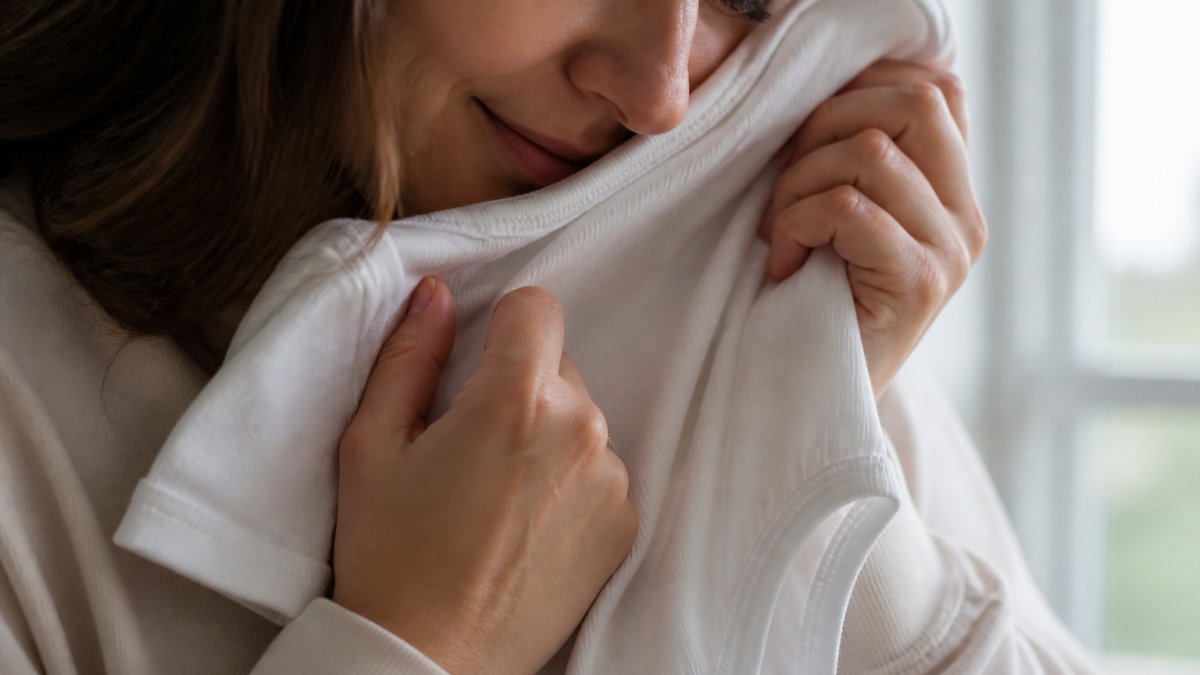
Softness isn't just a luxury, it's a functional requirement for newborn clothing. A baby's skin has a thinner outer layer and fewer oil glands than adult skin, making it more prone to dryness and irritation (pubmed.ncbi.nlm.nih.gov). Rough fabrics can cause visible redness, rashes, and discomfort that keeps babies (and parents) awake at night.
Premium baby clothing prioritizes softness through multiple strategies. First, manufacturers use higher-quality raw cotton that's naturally softer. Second, they use gentler processing methods that don't damage the fiber structure. Third, they often include a small percentage of spandex, typically 5%, which adds elasticity and reduces the stiffness that comes from pure cotton.
The difference becomes obvious after the first wash. Budget clothing often feels stiffer and develops a papery texture. Premium options maintain their softness through dozens of washes because the fibers themselves are stronger and better-processed. This durability means your investment actually saves money over time, you're not replacing worn-out clothing every few months.
Organic Baby Clothes Benefits: Why Natural Fibers Matter
Organic cotton is grown without synthetic pesticides, herbicides, or fertilizers. For parents concerned about chemical exposure, organic options provide peace of mind. The farming practices used to grow organic cotton also tend to be gentler on soil and water systems, making this choice better for the environment your child will inherit.
The practical benefit of organic baby clothes is that they're processed without harsh chemicals that can remain in the fabric. Conventional cotton undergoes bleaching, dyeing, and finishing processes that leave chemical residues. Organic cotton still requires processing, but manufacturers typically use gentler methods and rinse more thoroughly to remove any remaining substances. For babies with sensitive skin or eczema, this difference can be significant.
Natural fibers like organic cotton also perform better functionally. They breathe more effectively than synthetics, absorb moisture without feeling clammy, and regulate temperature naturally. If you're choosing between conventional and organic baby clothing, the decision often comes down to your comfort level with chemical residues and your budget.
Premium vs. Budget Baby Clothes: Real Differences in Durability
Construction Quality and Longevity
The difference between premium and budget baby clothing becomes most obvious over time. Premium pieces are constructed with reinforced seams, quality stitching that doesn't unravel, and hems that stay flat through repeated washing. Budget clothing often uses single-stitched seams that come apart, loose threading that pulls free, and hems that curl or fray.
Look at the seams on any baby onesie. Premium options have seams that are stitched multiple times, creating a stronger bond that withstands the stress of dressing, undressing, and washing. The thread itself is often higher quality, which means it doesn't break or weaken as easily.
Construction details matter because baby clothing gets washed frequently. A typical newborn goes through multiple outfit changes daily, meaning a onesie might be washed 2-3 times per week. Over a few months, that's 30-40 wash cycles. Budget seams often fail after 10-15 cycles. Premium construction easily handles 50+ cycles with no visible wear.
Cost-Per-Wear Analysis
When evaluating whether premium baby clothing is worth the investment, cost-per-wear is the most practical metric. A $29 to $49 premium onesie from Coordinates might seem expensive compared to a $10 budget option, but the math changes when you factor in durability and longevity.
Consider this scenario: a budget onesie lasts through 15-20 washes before the seams fail or the fabric pills significantly. A premium onesie lasts through 60+ washes. If your baby wears each onesie 2-3 times per week, the budget option gets replaced every 5-7 weeks, while the premium option lasts 4-5 months. Over a year, you might buy 8-10 budget onesies versus 2-3 premium ones.
Add in the fact that premium clothing often looks better in photos, fits more consistently across sizes, and can be passed down to siblings or resold in good condition, and the value proposition becomes even stronger. Parents often underestimate how much they spend on cheap clothing that fails quickly and needs replacing.
Christmas Bold Plaid Onesie (Baby) →
How to Choose Baby Clothes: Evaluating Quality and Safety
Reading Labels and Understanding Certifications
When shopping for baby clothing, the label tells you essential information about what you're buying. The fiber content shows the material composition, look for high percentages of natural fibers like cotton. A label showing "95% cotton, 5% spandex" indicates a high-quality, breathable blend. Labels showing high percentages of polyester or synthetic materials typically indicate budget options that won't breathe as effectively.
Certifications matter, though not all of them are equally meaningful. Look for labels indicating that clothing has been tested for harmful substances. Some manufacturers voluntarily test for residual chemicals and display certifications showing their products meet strict safety standards. These certifications don't guarantee perfection, but they indicate that a manufacturer has invested in quality control.
The care label provides practical information about durability. Premium clothing often recommends gentle washing, which protects the fabric and extends lifespan. Budget clothing sometimes includes warnings about shrinkage or color bleeding, which indicates lower-quality dyes and fabrics.
Garment Construction Details That Matter
Beyond fabric and seams, several construction details distinguish premium baby clothing. Look at how the neckline and armholes are finished. Premium options typically have reinforced, flat-lying hems that won't irritate your baby's neck. Budget options sometimes have raw edges or loose hems that curl up or feel scratchy.
Zippers, if included, should glide smoothly and include a protective flap at the bottom to prevent pinching. The Christmas Soft Plaid Onesie from Coordinates, for example, includes a full zipper with reinforced construction designed specifically for the frequent diaper changes newborns require. This thoughtful design means parents can change diapers without completely undressing the baby, reducing exposure and keeping them warmer.

Cuff construction is another detail worth examining. Ribbed cuffs, as found on quality pieces, hold their shape and provide a gentle, non-restrictive fit around wrists and ankles. They don't leave marks on delicate skin and maintain their integrity through many washes. Budget options often use simple hems that stretch out or develop loose threads.
Health Benefits: Skin Irritation Prevention and Temperature Regulation
Choosing premium baby clothing directly impacts your baby's skin health. Soft, breathable fabrics reduce friction that causes rashes and irritation. Quality materials don't shed fibers that get inhaled or embedded in skin. The absence of harsh chemical residues means fewer allergic reactions and less irritation for babies with sensitive skin conditions like eczema.
Temperature regulation is equally important. Babies can't effectively communicate when they're too hot or too cold, and overheating is a genuine health concern. Premium baby clothing made from breathable natural fibers allows excess heat to escape while retaining warmth when needed. This temperature balance promotes better sleep, reduces fussiness, and creates a healthier microclimate against your baby's skin.
The connection between clothing quality and sleep quality is real. Babies sleeping in comfortable, appropriately warm clothing sleep longer and wake less frequently. This means better rest for your baby and better rest for you. While this isn't a medical claim, it's a practical outcome that many parents notice immediately after switching to premium clothing.
Making the Investment Work: Sizing, Quantity, and Long-Term Value
Getting sizing right maximizes your investment in premium baby clothing. Newborn sizing can be tricky because babies vary significantly in size at birth. Some newborns fit comfortably in newborn sizes, while others skip directly to 0-3 months.
Buy enough quantity to handle your laundry schedule without constantly washing. Most families find that 5-7 onesies in regular rotation works well, allowing time for washing and drying without running out of clean clothes.
Consider the lifecycle of baby clothing beyond your own family. Premium pieces in good condition can be passed to younger siblings, cousins, or friends. They can also be resold online if you don't have other children.
The Christmas Soft Plaid Onesie and other seasonal pieces from Coordinates represent this value proposition perfectly. These aren't everyday basics, they're special pieces designed for holidays and photos. Because they're made with premium construction and quality materials, they survive multiple seasons of storage and wear.
| Factor | Budget Baby Clothing | Premium Baby Clothing |
|---|---|---|
| Typical lifespan | 15-20 washes | 60+ washes |
| Fabric quality | Thin, prone to pilling | Dense, maintains softness |
| Seam durability | Single-stitched, fails early | Multi-stitched, reinforced |
| Comfort features | Basic construction | Thoughtful details (zippers, cuffs, hems) |
| Cost per wear | Higher (frequent replacement) | Lower (longer lifespan) |
| Resale value | Minimal | Moderate to high |
| Skin irritation risk | Higher | Lower |
Investing in premium baby clothing isn't about status or having the cutest outfits (though that's a nice bonus). Start with a few premium basics, experience the difference in comfort and longevity, and you'll understand why parents keep coming back to quality. The American Academy of Pediatrics guidance on infant sleep safety and comfort emphasizes the importance of appropriate clothing for temperature regulation, and dermatology research on sensitive skin in infants confirms that fabric quality significantly impacts skin health.
Frequently Asked Questions
Is premium baby clothing worth the price?
Premium baby clothing typically costs 40-60% more than budget alternatives, but the investment pays off through durability, comfort, and health benefits. High-quality fabrics like 95% cotton blends resist pilling and shrinkage, meaning garments last through multiple children or hand-me-downs. Premium pieces also reduce skin irritation and maintain breathability through many wash cycles, making the cost-per-wear lower over time.
What makes high-quality baby clothing materials different from budget options?
Premium baby clothing uses higher-grade fabrics with tighter weaves, better dye processes, and superior fiber quality. Budget options often use lower-thread-count cotton or synthetic blends that pill easily and lose softness after washing. Premium materials breathe better, retain their shape, and maintain softness even after 50+ washes. Look for 95% natural fiber content and reinforced seams as markers of quality construction.
Are organic baby clothes better for babies?
Organic baby clothes are grown without synthetic pesticides or fertilizers, reducing chemical exposure on delicate skin. While all quality baby clothing should be soft and breathable, organic options eliminate residual chemicals from conventional cotton farming. This matters most for babies with sensitive skin or eczema. However, organic certification doesn't guarantee comfort or durability, construction quality and fabric weight matter equally.
How should I buy baby clothes to get the best value?
Buy versatile basics in neutral colors that mix and match, then add seasonal pieces like holiday onesies for special occasions. Invest in premium quality for items worn daily (bodysuits, sleep wear) and budget options for occasional wear. Plan for growth by buying only 1-2 sizes ahead rather than hoarding. Consider hand-me-down potential when choosing, durable, timeless styles retain value across multiple children.



