

Posted by Editorial Team
on August 27, 2026

Table of Contents
- University Co-op vs Boutique Team Apparel: Quick Comparison
- Fabric Quality and Material Durability
- Best University of Texas Apparel: What Sets Boutique Options Apart
- Boutique vs Mass Market Apparel Quality: The Real Differences
- Pricing: What You Actually Get for the Investment
- How to Style University Apparel for Every Occasion
- Making Your Decision: University Co-op or Boutique
- Conclusion
Last Updated: August 27, 2026
University Co-op vs Boutique Team Apparel: Quick Comparison
When shopping for university apparel, the choice between mass-market retail and boutique providers shapes everything: how the garment feels, how long it lasts, and whether you're getting officially licensed branding. The real question isn't just about price, it's about garment construction, textile durability, supply chain transparency, and whether your investment reflects genuine craftsmanship.
| Comparison Factor | University Co-op (Mass Market) | Boutique Team Apparel | Winner |
|---|---|---|---|
| Fabric Weight | Lighter, thinner knit | Heavier, denser construction | Boutique |
| Color Fastness | Fades after 10-15 washes | Maintains vibrancy 50+ washes | Boutique |
| Official Licensing | Varies; generic branding common | Officially licensed options available | Boutique |
| Customization Options | Limited to screen printing | Embroidery, custom placement available | Boutique |
| Price Point | $20-35 | $39-49 | Co-op |
| Garment Longevity | 1-2 years typical wear | 3-5+ years with proper care | Boutique |
| Supply Chain Transparency | Minimal disclosure | Detailed sourcing information | Boutique |
Fabric Quality and Material Durability
The moment you pick up a boutique piece versus a mass-market option, the difference is unmistakable: weight, texture, and drape. Boutique manufacturers use denser knit construction with higher thread counts, while mass-market retailers prioritize cost efficiency, resulting in thinner fabric that wears faster.
Textile Weight and Construction Standards
Boutique team apparel typically uses 95% cotton and 5% spandex blends in heavier weights. Higher-quality cotton fibers are longer and stronger, resisting pilling and maintaining shape through repeated wear. Mass-market apparel often uses shorter-staple cotton or blends that sacrifice durability for lower production costs.
Construction standards differ dramatically. Well-made boutique pieces use reinforced seams with 12-16 stitches per inch on critical areas like shoulders and sleeves, preventing unraveling and maintaining structural integrity (astm.org). Mass-market garments often use 8-10 stitches per inch, which fails faster under stress.
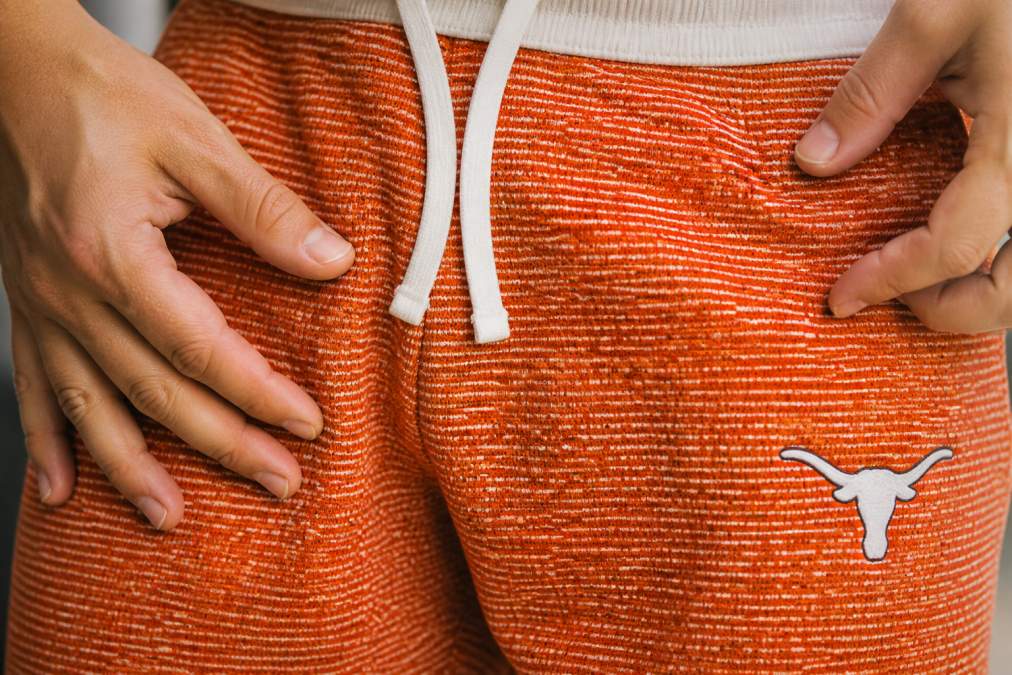
Ribbed cuffs and collar construction reveal quality differences. Boutique apparel uses properly finished ribbing that maintains elasticity through dozens of washes, while mass-market options lose shape quickly.
Color Fastness and Long-Term Wear
Color fastness separates apparel that looks great for years from pieces that fade quickly. Boutique manufacturers invest in dye-setting processes that bond color molecules to fibers at a molecular level, allowing garments to survive 50+ wash cycles while maintaining vibrant color (peer-reviewed research). Mass-market retailers use faster, cheaper dyeing methods that fade noticeably after 10-15 washes.
Boutique team apparel from providers like Coordinates uses superior dye-setting combined with quality cotton that holds color longer, maintaining rich color through repeated washing.
Best University of Texas Apparel: What Sets Boutique Options Apart
The distinction between generic team branding and authentic, high-quality university apparel comes down to three factors: licensing authenticity, customization capability, and supply chain integrity.
Officially Licensed vs Generic Team Branding
Official licensing means the manufacturer has paid for the right to use university trademarks and logos in specific ways. Universities that grant official licensing require manufacturers to meet specific standards for color accuracy, logo placement, and garment specifications. Coordinates carries officially licensed University of Texas collections because fans deserve authentic branding, not approximations.
Customization and Embroidery Excellence
This is where boutique team apparel genuinely separates from mass-market options. Customization services include professional embroidery, custom logo placement, and small-batch production that mass-market co-ops can't offer. Professional embroidery uses proper thread weight, optimal stitch density, and stabilization that prevents puckering, resulting in polished pieces that last through years of wear.
The University of Texas Inspirational Joggers and Long Sleeve Tops feature carefully placed inspirational messaging, a level of customization detail that mass-market apparel doesn't attempt.

Boutique vs Mass Market Apparel Quality: The Real Differences
The core difference between boutique and mass-market apparel comes down to intentionality. Boutique manufacturers make deliberate choices about fabric sourcing, garment construction, quality control, and supply chain transparency. Mass-market retailers optimize for volume and cost, which inevitably compromises quality. apparel quality comparison.
Supply Chain Transparency and Ethical Sourcing
Boutique apparel providers typically source materials from suppliers they know personally, with documented sourcing practices and ethical labor standards. You can trace where materials come from and where garments are manufactured. Mass-market retailers operate through opaque supply chains with multiple tiers of manufacturers, making it difficult to verify sourcing practices or labor conditions.
Garment Longevity and Warranty Expectations
A quality boutique piece should last 3-5 years with proper care (the FTC). Mass-market apparel typically lasts 1-2 years before degradation becomes noticeable. When factoring in longevity, a $39 boutique piece that lasts 4 years costs roughly $10 per year, while a $25 mass-market piece that lasts 1.5 years costs roughly $17 per year. You're actually paying more for lower quality over time.
Pricing: What You Actually Get for the Investment
Boutique team apparel costs more upfront, but the price reflects real differences in material quality, construction standards, and supply chain practices. The University of Texas Inspirational Joggers are priced at $39 for men's and $49 for women's, while long sleeve tops start at $39. These prices reflect premium fabric, professional construction, and officially licensed branding.

When you buy boutique apparel, you're paying for premium textile sourcing, professional garment construction with reinforced seams, officially licensed branding, customization options, supply chain transparency, and garment longevity that extends useful life significantly.
How to Style University Apparel for Every Occasion
High-quality university apparel deserves styling that honors the craftsmanship.

Game Day Confidence and Team Identity
Game day styling is straightforward: make your apparel the statement piece. Pair the University of Texas Inspirational Joggers with a matching long sleeve top for an instantly cohesive look. Quality fabric and construction mean your outfit stays polished through hours of stadium activity. Boutique apparel typically offers better sizing specifications across the range, ensuring proper fit for all body types.

Everyday Versatility and Fit Specifications
Quality university apparel works for casual outings, family photos, and holiday gatherings. Wear joggers with a simple white t-shirt for understated team spirit, or pair the long sleeve top with neutral bottoms and a blazer for a polished look. Boutique providers typically offer detailed fit guides with measurements for chest, waist, hip, and inseam, ensuring comfort through proper proportions.
Making Your Decision: University Co-op or Boutique
The choice ultimately depends on your priorities. If budget is your primary constraint and you don't mind replacing apparel every 1-2 years, mass-market options work fine. If you value quality, durability, customization, and supply chain transparency, boutique apparel delivers better overall value.
Choose mass-market co-op apparel if:
- Budget is your primary constraint
- You're shopping for a single occasion
- You prefer shopping in person at a physical location
Choose boutique team apparel if:
- You want officially licensed branding
- Durability matters and you expect apparel to last 3-5+ years
- You value supply chain transparency and ethical sourcing
- You want customization options like embroidery
- You're building a coordinated family wardrobe
- You want apparel that works across multiple occasions
For most families seeking high-quality university apparel that holds up through years of wear, boutique options deliver better value. The real question isn't whether boutique apparel costs more, it does. The question is whether you're willing to invest in quality that lasts.
At Coordinates, we believe university apparel should reflect the pride you feel wearing it. Our officially licensed University of Texas collection combines premium 95% cotton and 5% spandex construction with thoughtful design and extended sizing for the whole family. Whether you're shopping for game day or building everyday pieces that showcase your team spirit, our apparel is engineered to last. SHOP COLLECTION and discover the difference quality construction makes.
Frequently Asked Questions
What makes boutique team apparel better quality than university co-op gear?
Boutique team apparel typically uses premium textile sourcing with higher fabric weight and superior garment construction. Boutique manufacturers often employ professional-grade embroidery and embellishment techniques that withstand repeated washing, while mass-market co-op apparel frequently relies on screen printing that cracks or fades faster. Boutique options prioritize color fastness through quality dyes and controlled fabric treatments. You'll also find better fit specifications and smaller-batch production that allows for quality control at every stage.
Is university co-op apparel officially licensed, and does it matter?
University co-op apparel is officially licensed by the institution, which means the school has authorized its sale and receives revenue. However, officially licensed doesn't guarantee superior quality, it only confirms legal authorization. Many boutique team apparel makers also secure official licenses. The real quality difference comes from the manufacturer's choice of materials, construction methods, and supply chain standards, not the licensing itself. When evaluating best university of texas apparel, check the actual fabric specifications and garment construction, not just the license.
How long will boutique team apparel actually last compared to co-op options?
Quality boutique apparel made from 95% cotton and 5% spandex blends typically maintains its shape, color, and softness for 50+ washes when cared for properly. Co-op apparel often shows visible fading, pilling, or loss of shape within 20-30 washes. The difference comes down to textile durability and garment construction, boutique pieces use heavier fabric weights and reinforced seams that resist wear. Boutique manufacturers also invest in color-fastness treatments, while mass-market options often skip this step to reduce costs.
Are university apparel prices at boutique retailers worth the extra cost?
Boutique university apparel costs more upfront but delivers better value over time. A $49 boutique piece that lasts 50+ washes costs roughly $0.98 per wear, while a $25 co-op item lasting 20 washes costs $1.25 per wear. Beyond durability, boutique options offer superior comfort (softer fabrics, better fit), customization options, and transparent supply chain practices. If you're buying for family matching sets or items you'll wear frequently, the investment in quality apparel pays off in longevity and satisfaction.
This article was written using GrandRanker



